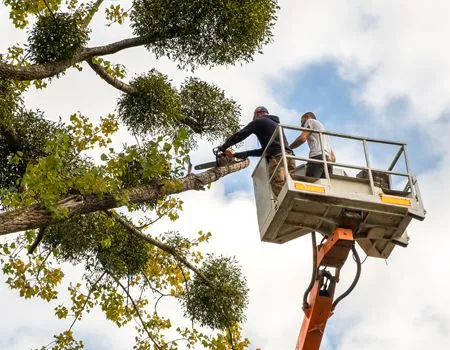
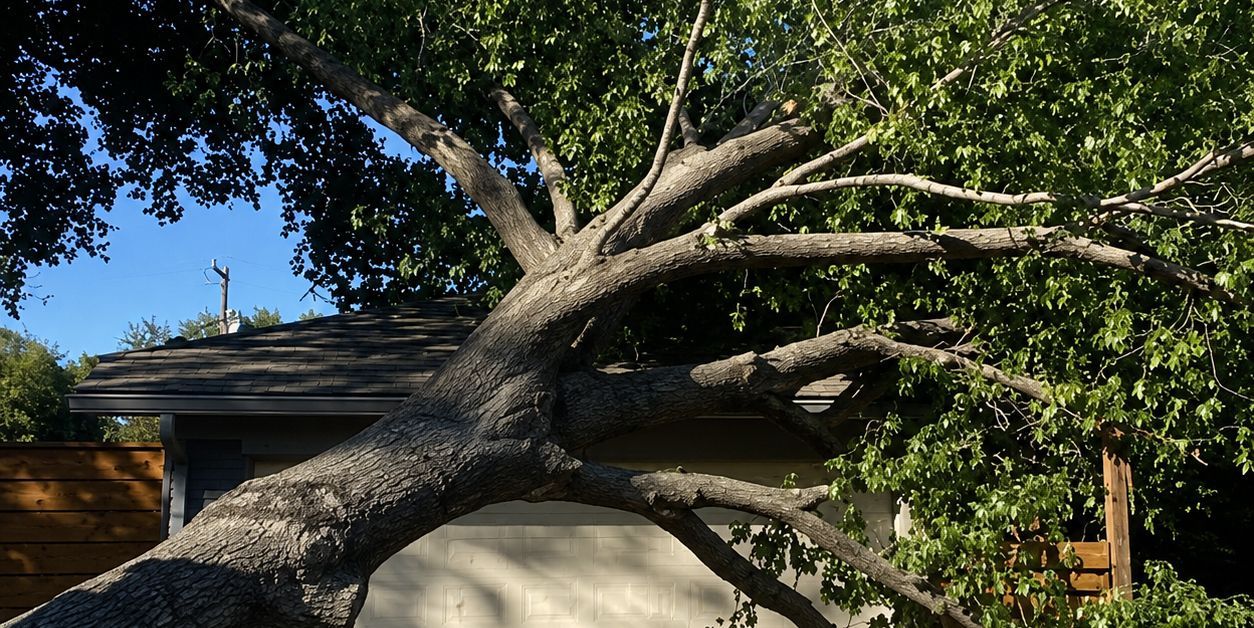
Trees can decline due to age, disease, storm damage, and environmental stress—and a dying tree can quickly become a safety hazard. While not every unhealthy tree needs to be removed, it's important to recognize the warning signs and have the tree evaluated by a professional arborist. At Joseph Christman’s West Coast Tree, Inc, we can identify dead and dying trees and safely remove them as needed. Here are four signs that a tree may be dead or dying and should be inspected for potential removal. Bare Branches/Sparse Foliage One of the clearest indications of a declining tree is a thinning canopy. If large sections of the tree remain bare during the growing season or produce significantly fewer leaves than usual, the tree may be struggling to survive. Dead branches throughout the canopy often indicate that the tree is no longer able to support healthy growth and may be experiencing widespread decline. Peeling Bark and Deep Trunk Cracks Healthy bark helps protect a tree from insects, disease, and environmental damage. When bark begins peeling away in large sections or deep cracks develop in the trunk, it may signal serious structural problems. Extensive bark loss often indicates that the tree's vascular system has been compromised, making it more difficult for the tree to transport water and nutrients throughout its structure. Mushrooms Growing Around the Base Fungal growth near the tree’s base is often a warning sign of internal decay. While not every mushroom indicates a dangerous condition, certain fungi thrive on rotting wood and may suggest that the tree's roots or lower trunk are deteriorating. Because root decay can significantly weaken a tree's stability, professional evaluation is important when fungal growth is present. The Tree Has a Significant Lean or Root Problems A tree that suddenly begins leaning or shows exposed, damaged, or heaving roots may have lost structural support. Storms, soil erosion, construction, and root disease can all weaken the root system and increase the likelihood of failure. A worsening lean combined with signs of decline often indicates that the tree should be evaluated as soon as possible. Tree Removal in Ventura, CA For expert tree removal in Ventura and the surrounding area, contact our team at Joseph Christman’s West Coast Tree, Inc . Feel free to give us a call to request a tree services estimate in Ventura, Oxnard, Calabasas, or Thousand Oaks, CA !
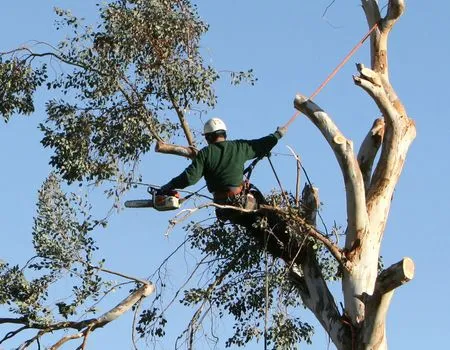
When big trees become damaged, diseased, or unstable, they can pose serious risks. Hazardous trees may fall during storms, damage structures, and could severely injure people. Many homeowners have questions about how to handle these situations safely and effectively. At Joseph Christman’s West Coast Tree, Inc, we’re happy to answer your questions about hazardous tree removal in the greater Ventura area. How Do I Know if a Tree Has Become Hazardous? A tree may be considered hazardous if it shows signs of structural weakness, disease, or damage that could lead to falling branches or collapse. Common indications include large cracks in the trunk, decaying or hollow areas, leaning, broken branches, or fungal growth at the base. Even trees that appear healthy can become risky after storms or prolonged exposure to harsh conditions. Consulting a professional tree removal service can help you accurately assess the risk and determine if removal is necessary. Why Should Hazardous Trees Be Removed Promptly? Delaying the removal of a hazardous tree increases the risk of property damage, personal injury, and liability issues. Strong winds can cause weakened trees to fall suddenly. Even a single falling branch can damage your roof or vehicles. Prompt removal minimizes the potential for accidents and promotes the safety of your home, family, and neighbors. Professionals can safely remove the tree while minimizing impact on your property and surrounding vegetation. Can Hazardous Tree Removal Be Done Safely on My Own? While minor pruning can sometimes be handled by homeowners, removing a hazardous tree is not a DIY project. It commonly requires specialized equipment, climbing skills, and knowledge of tree anatomy to ensure the tree falls safely without damaging property. Professionals are trained to assess risks, plan safe cuts, and use bucket trucks or rigging when necessary. Attempting to remove an unstable tree on your own can lead to serious injury or costly property damage. What Happens with the Stump Following Removal? Stump removal or grinding is offered as an additional service to clear the area and prepare it for new landscaping. It’s generally smart to remove stumps so that they don’t attract pests and detract from your property’s curb appeal. Stumps can also pose tripping hazards while making lawn maintenance more challenging. Where Can I Find Hazardous Tree Removal in Ventura, CA? For expert hazardous tree removal in Ventura and the surrounding area, contact our team at Joseph Christman’s West Coast Tree, Inc. Feel free to give us a call to arrange a tree services estimate in Ventura, Oxnard, Calabasas, or Thousand Oaks !
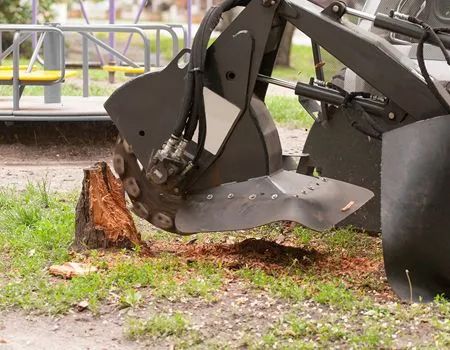
After a tree has been removed, the remaining stump can become an unexpected nuisance. Tree stumps take up valuable space, detract from your landscape’s appearance, and can even create safety hazards. Many homeowners are unsure what to do next or whether stump removal is really necessary. Understanding the most common questions about stump grinding and removal can help you decide the best solution for your property. At West Coast Tree Co., we’re happy to answer your questions about stump grinding and removal in the greater Ventura area. What Is the Difference Between Stump Grinding and Stump Removal? Stump grinding involves using specialized equipment to grind the stump down below the surface of the soil. The roots are left to naturally decompose over time. Stump removal, on the other hand, extracts the entire stump and roots. Why Should You Remove a Tree Stump? While it may seem harmless, a stump can attract pests such as termites, ants, and beetles. It can also become a tripping hazard or interfere with mowing and landscaping. As the stump decays, it may create uneven ground or sprout new growth, which can be difficult to control. Removing the stump helps maintain a safer and more usable yard. What Happens to the Wood Chips After Grinding? The chips are a natural byproduct of the process and are often left behind. Many homeowners choose to reuse them as mulch in garden beds or around trees. Alternatively, the material can be removed from the premises. Why Should Stump Grinding Be Done by Professionals? While some homeowners consider renting equipment, stump grinding can be dangerous without proper training. The machinery is powerful, and underground obstacles such as rocks or utilities can pose risks. Professional stump grinding services have the experience and equipment needed to complete the job safely and efficiently. Where Can I Find Professional Stump Grinding & Removal in Ventura, CA? For expert stump grinding and removal in Ventura, CA and the surrounding area, contact our team at West Coast Tree Co. Feel free to give us a call to arrange a tree services estimate in Ventura, Carpinteria, or Thousand Oaks!
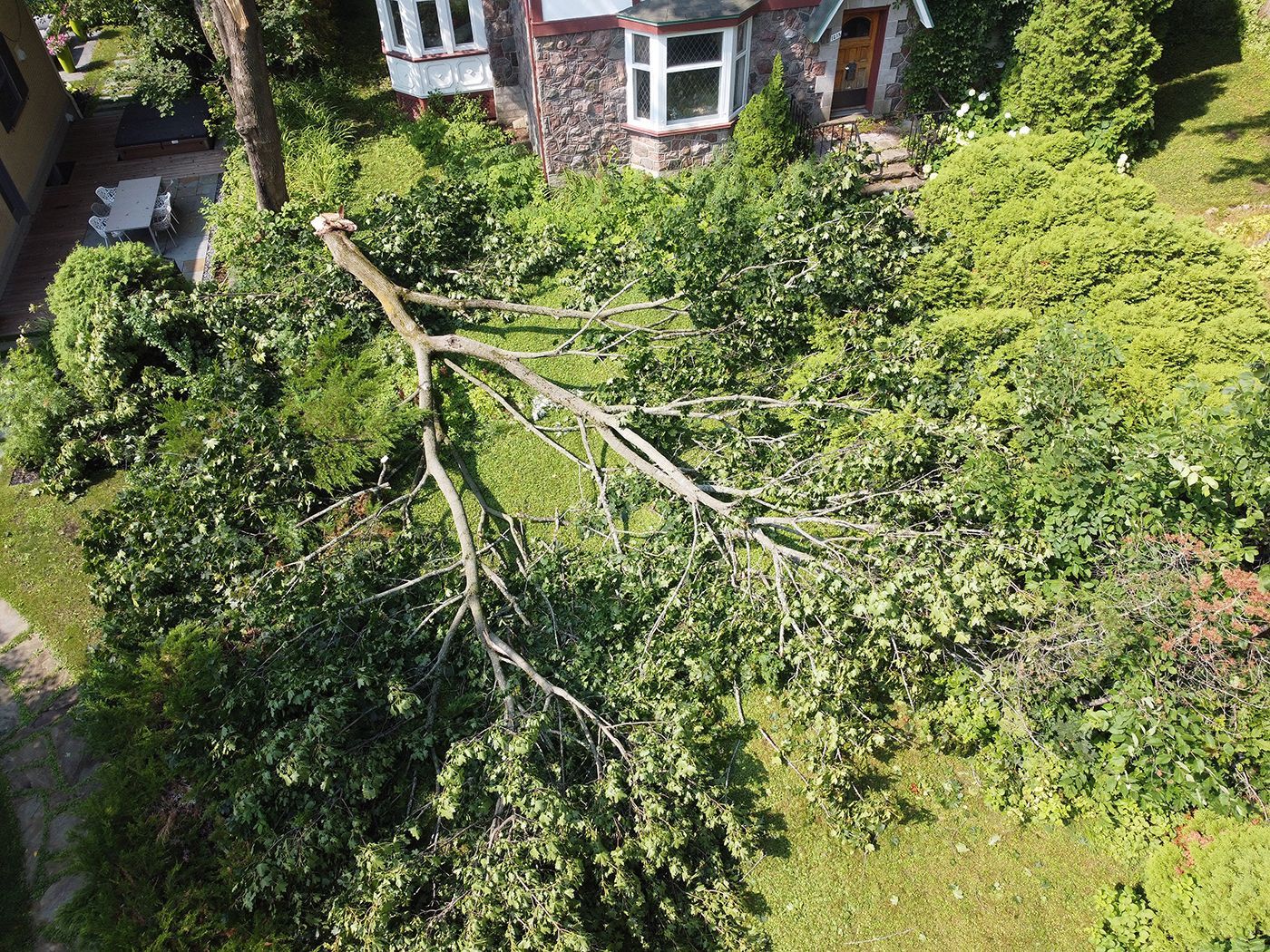
Severe storms can leave your yard looking drastically different in a matter of hours. High winds, heavy rain, and lightning can all cause damage to trees that may not be immediately obvious. While a tree might still be standing after a storm, hidden structural issues can pose serious risks to your property and safety. Having a professional arborist evaluate storm-damaged trees is an important step in protecting your home and landscape. At West Coast Tree Co., our local arborists can expertly evaluate storm-damaged trees and determine the proper course of action. Here are four reasons to have an arborist assess storm-damaged trees on your property. Identify Hidden Structural Damage Storms can cause cracks in trunks, split limbs, or weakened root systems that aren’t always visible from the ground. A damaged tree may look stable but could be at risk of falling during the next wind event. Arborists are trained to recognize subtle signs of internal damage and structural instability. Their evaluation helps determine whether a tree can be saved with proper care or if removal is the safest option. Reduce Safety Risks to People and Property Unstable trees and hanging limbs create serious hazards after a storm. Falling branches can damage roofs, vehicles, fences, and power lines, or cause injuries to people and pets. An arborist can assess which trees or limbs pose immediate danger and recommend prompt action. Addressing these risks quickly helps prevent accidents and costly property damage. Preserve Healthy Trees When Possible Not all storm-damaged trees need to be removed. In many cases, strategic pruning, cabling, or bracing can restore stability and extend a tree’s life. Arborists focus on preserving healthy trees whenever possible, using techniques that encourage proper healing and growth. Prevent Long-Term Decline and Disease Storm damage can leave trees vulnerable to pests, fungi, and diseases that enter through broken branches or damaged bark. Without professional evaluation and treatment, these issues can slowly weaken a tree over time. Arborists can identify early signs of infection and recommend treatments or corrective pruning that support long-term tree health and reduce the risk of future problems. Arborist in Ventura, CA For arborist services in Ventura and the surrounding area, contact our team at West Coast Tree Co. Feel free to give us a call to request a tree services estimate in Ventura, Malibu, Carpinteria, Calabasas, or Thousand Oaks!
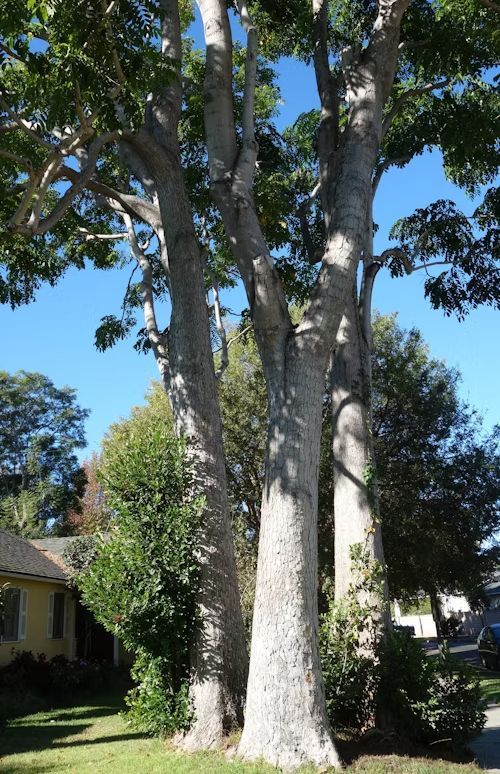
Mature trees can quickly become dangerous if their health or structure is compromised. A large tree that’s unstable or declining poses a serious risk to your home, vehicles, and family, especially during high winds. Knowing what to look for can help you take action before an accident happens. At West Coast Tree Co., provide hazardous tree removal in the greater Ventura area. Here are five signs that a big tree in your yard may be creating a safety hazard. Significant Lean or Shifting Position One of the most obvious signs of danger is when a large tree starts to lean. While some trees naturally grow at an angle, a new or increasing tilt is cause for concern. This could indicate that the root system has weakened or that the soil around the base has shifted. If the lean appears to be getting worse—especially after heavy rain or wind—the tree may be at serious risk of falling and should be inspected by a professional immediately. Cracks in the Trunk Deep cracks, cavities, or vertical splits in the trunk often mean the tree’s structural integrity is compromised. These openings can result from age, storm damage, or internal decay. When a trunk loses its strength, it may no longer be able to support the weight of the canopy, making it more likely to break or topple during rough weather. Visible damage on the main trunk is a major red flag that the tree may be unsafe. Large Dead/Hanging Branches Dead branches are not just unattractive—they’re dangerous. Large limbs that are brittle or hanging loosely can fall at any time, especially in strong winds. A single heavy branch can cause major damage if it lands on a car or home. If your tree has multiple dead branches or limbs that appear ready to drop, professional pruning or removal is essential to restore safety. Root Damage or Soil Movement Healthy roots are the foundation of a stable tree. When roots are exposed, rotting, or damaged by construction, erosion, or disease, the tree loses its ability to stay anchored. You might notice lifted soil or fungus growing near the base—warning signs that the root system may be compromised. In these cases, the tree could easily fall during high winds. Signs of Disease/Decay Fungal growth, peeling bark, or hollow sections in the trunk are warning signs of decay. Once a tree begins to rot, it can weaken from the inside out. A professional can assess whether the tree can be saved or if removal is the safest option. Tree Removal in Ventura, CA For expert tree removal in Ventura and the surrounding area, contact our team at West Coast Tree Co. Feel free to give us a call to request a tree services estimate in Ventura, Malibu, Carpinteria, Calabasas, or Thousand Oaks!
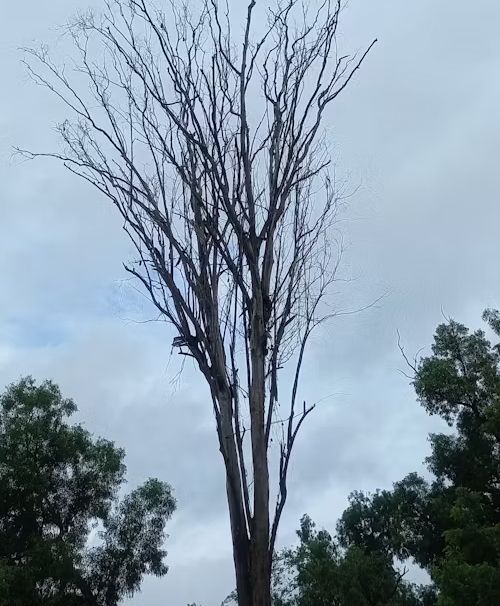
When a tree dies, it may appear harmless for a while, quietly standing in your yard. However, beneath the surface, it’s becoming weaker and more unstable each day. Dead trees are not only unattractive—they’re also dangerous and can cause serious problems if left standing too long. While it might be tempting to handle the removal yourself, this is a task best left to a trained professional. Arborists have the skills, equipment, and knowledge to remove dead trees safely and efficiently. At West Coast Tree Co., provide expert tree removal in the greater Ventura area. Here are four important reasons why you should have an arborist remove a dead tree without delay. Prevent Dangerous Tree Falls Dead trees lose their structural integrity over time, making them prone to breaking or toppling in heavy winds, rain, or storms. A falling branch or trunk can cause significant damage to your home, vehicles, or nearby power lines, and poses a serious risk to people and pets. Arborists understand how to assess the stability of a dead tree and remove it safely. Acting quickly ensures you avoid accidents and costly property damage. Protect Surrounding Trees Dead trees often attract pests such as termites, beetles, and carpenter ants, as well as fungi and diseases that can spread to nearby healthy trees. Prompt removal helps preserve the health of your landscape and can prevent widespread damage to your property’s ecosystem. Ensure Safe and Proper Removal Removing a dead tree is more complex than it may seem. As the wood decays, it becomes unpredictable and may not fall where expected. Without the right tools and training, DIY removal can be dangerous. Arborists are trained to use specialized equipment and techniques to take down trees safely, even in tight spaces or near structures. Their expertise minimizes the risk of injury and property damage during the removal process. Improve Curb Appeal A dead tree detracts from the appearance of your yard, giving it an unkempt look. By hiring an arborist to remove it promptly, you help restore your property’s beauty. A well-maintained landscape with healthy, vibrant trees makes a strong impression and can even boost curb appeal if you’re considering selling. Tree Removal in Ventura, CA For expert tree removal in Ventura, CA and the surrounding area, contact our team at West Coast Tree Co. Feel free to give us a call to arrange a tree services estimate in Ventura, Carpinteria, or Thousand Oaks!
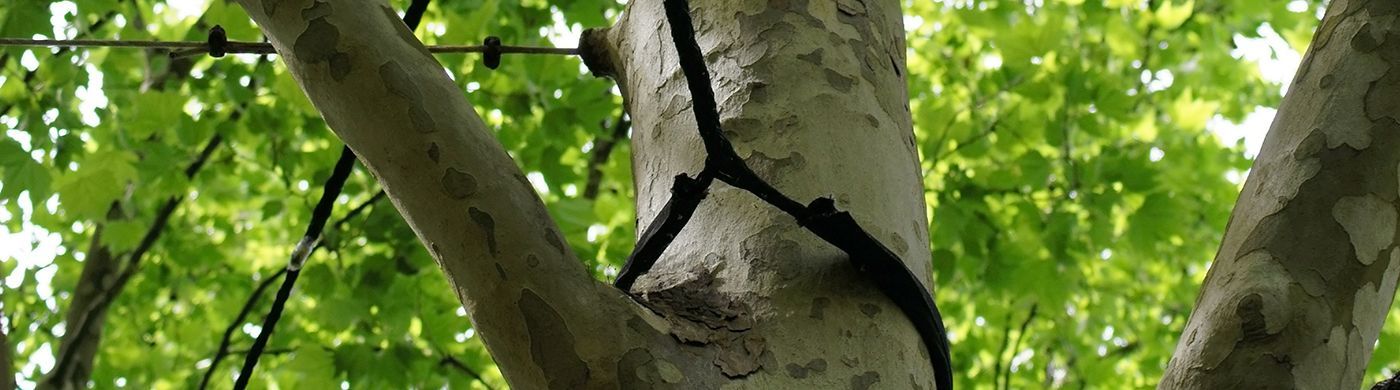
Even the strongest trees can develop structural weaknesses that put them at risk of failure. Heavy branches, storm damage, or poor growth patterns can leave a tree vulnerable to breaking, which may endanger nearby structures, vehicles, or people. Fortunately, professional arborists can use techniques such as tree cabling and tree bracing to provide extra support, improving safety and extending the life of a tree. At West Coast Tree Co., we provide expert tree cabling and bracing in the greater Ventura, CA area. Understanding how these methods work can help you decide if they might be the right solution for your trees. Tree cabling involves the use of high-strength cables that are installed in the upper canopy of a tree. These cables connect major limbs or stems, reducing the risk of breakage by limiting how far branches can move in high winds or under heavy loads. Cabling is most often used for trees with multiple trunks or large limbs that are prone to splitting. By redistributing stress, cabling helps maintain a tree’s natural structure while lowering the chance of a catastrophic failure. Tree bracing, on the other hand, offers support at a lower point in the tree. This method uses steel rods inserted through weak or cracked areas, particularly where two trunks or large branches join. Bracing provides direct reinforcement, helping to prevent existing cracks from worsening and offering stability where the tree’s natural strength is compromised. It is often used in combination with cabling to give a tree the best possible chance of long-term survival. Both cabling and bracing should only be performed by a trained arborist. Professional installation ensures that the correct equipment and techniques are used to avoid causing further damage to the tree. An arborist can also assess whether these methods are suitable for your situation, since not every tree can be safely supported. In some cases, removal may be the better option, especially if the tree is diseased, severely damaged, or poses an unavoidable hazard. Tree Services in Ventura, CA For expert tree care in Ventura, CA and the surrounding area, contact our team at West Coast Tree Co. Feel free to give us a call to ask for a tree services estimate in Ventura, Carpinteria, or Thousand Oaks!
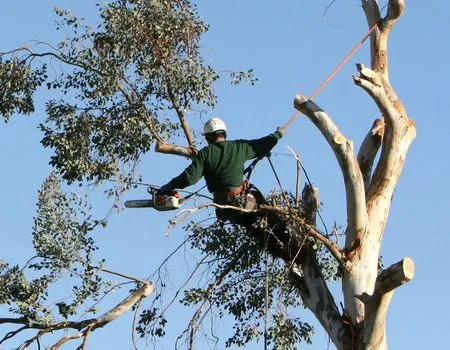
When a tree begins to decline, it can quickly become a safety hazard. Dead or dying trees are often structurally unstable and may fall during a storm or even under their own weight. To protect your property and loved ones, it's important to recognize the signs of a failing tree. At West Coast Tree Co., we can accurately identify dead and dying trees, and then safely remove them as necessary. Here are four indications that a tree may be dead or dying and should be evaluated by a professional arborist. Leaning with Exposed Roots A sudden or pronounced lean, especially when accompanied by exposed roots, is a major red flag. This usually indicates a failure in the tree’s root system, which anchors the tree and delivers water and nutrients. If a tree begins to lean significantly, particularly after a storm or period of heavy rain, the roots may be damaged or decayed. In some cases, the tree’s roots can become so compromised that the tree is no longer stable and could fall with little warning. Large Dead Branches Dead or dying branches, especially in the upper canopy, are clear signs of distress. If you notice large limbs with no leaves during the growing season or brittle branches that snap easily, the tree may be in the process of dying. These limbs can break off and cause damage, making prompt action necessary. No Leaf Growth A tree that doesn’t produce leaves during the growing season is likely dead or in serious trouble. While some trees naturally leaf out later than others, a complete absence of foliage by early summer usually means the tree is no longer alive. If only parts of the tree are leafless, this may point to localized disease or damage, but full canopy failure is often a sign of death Fungal Growth at the Base The presence of fungi growing around the base of a tree can be a sign of internal rot. Fungi feed on decaying wood, so their presence often indicates that the interior of the tree is compromised. Once the interior wood starts breaking down, the structural integrity of the tree is at risk, increasing the chances of collapse. Tree Removal in Ventura, CA For expert tree removal in Ventura, CA and the surrounding area, contact our team at West Coast Tree Co. Feel free to give us a call to ask for a tree services estimate in Ventura, Carpinteria, or Thousand Oaks!
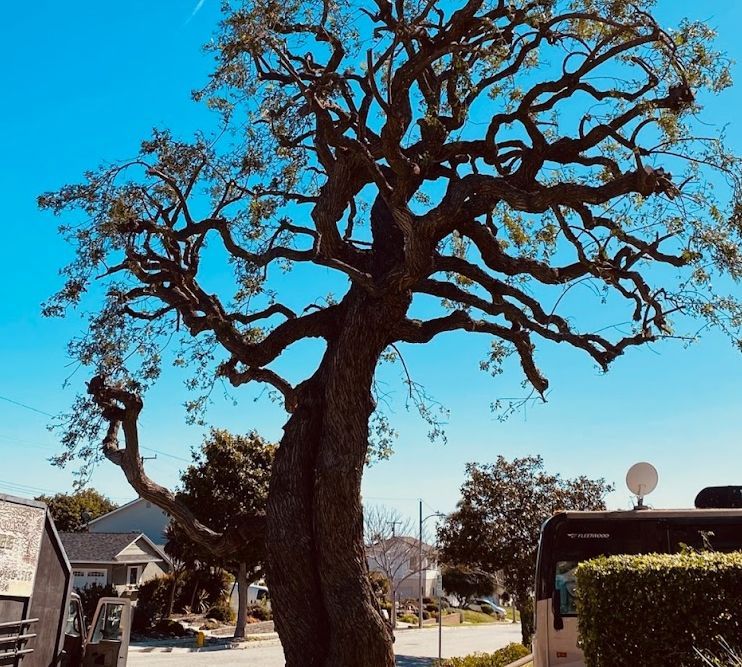
At West Coast Tree Co., we take pride in helping property owners across Ventura, Carpinteria, Malibu, Thousand Oaks, and surrounding areas make informed decisions about their trees. While we always aim to preserve trees when possible, there are times when removal is the safest and most responsible option. Here are five key signs it may be time for professional tree removal. The Tree is Dead or Dying A tree with no leaves during the growing season, brittle branches, or peeling bark may be beyond saving. Dead trees can become unstable quickly and pose a serious risk to nearby structures, vehicles, or people. Visible Structural Damage Cracks in the trunk, split branches, or large cavities can weaken a tree’s integrity. Trees with significant structural issues are more likely to fail during wind or storms and should be inspected immediately. Root Damage or Uplift If you notice roots lifting from the ground, cracked sidewalks, or signs of decay near the base of the tree, it could be suffering from root failure. Since roots anchor the tree, damage in this area is a major safety concern. It’s Too Close to Structures Trees growing too close to homes, garages, fences, or utility lines can cause damage as they expand or sway in the wind. In some cases, strategic pruning is enough—but other times, full removal is the safest choice. The Tree is Diseased or Infested Trees suffering from aggressive diseases or pest infestations can quickly become a threat to surrounding vegetation. Removal may be necessary to protect the rest of your landscape. If you’ve noticed any of these signs, don’t wait for the problem to get worse. Call West Coast Tree Co. at the location nearest you to schedule a tree inspection to find out if tree removal in Malibu, Ventura, Carapinteria or Thousand Oaks is the right solution. We proudly serve communities throughout Santa Barbara County and Ventura County with honest, expert tree care services . Let us help you keep your trees and property beautiful and safe!